
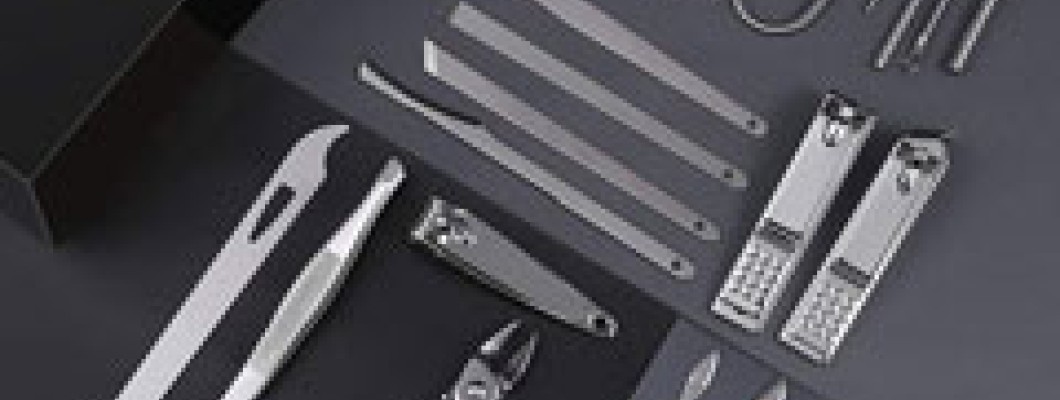
Die Wahl der richtigen Dentalinstrumente gewährleistet eine optimale Patientenversorgung und erfolgreiche Zahnarztpraxen. Angesichts der Vielzahl verfügbarer Optionen erfordert die Auswahl der richtigen Werkzeuge eine sorgfältige Berücksichtigung verschiedener Faktoren, einschließlich des jeweiligen Verfahrens und der Bedürfnisse des Patienten. Diese Schritt-für-Schritt-Anleitung erleichtert Zahnärzten die Auswahl der besten Dentalinstrumente. Darüber hinaus werden Einblicke in wichtige Themen wie Instrumentenmaterialien, Ergonomie und Funktionalität gewährt. Unabhängig davon, ob Sie Arzt oder Student der Zahnmedizin sind, können Sie in diesem Ratgeber viel über hochwertige zahnmedizinische Instrumente lernen. Erfahren Sie, wie Sie die richtigen Tools für eine bessere Funktionalität auswählen.
Investition in Qualität: Auswahl langlebiger Instrumente für eine optimale Mundpflege
Der Kauf hochwertiger zahnärztlicher Instrumente ist für eine optimale Mundgesundheitsbehandlung unerlässlich. Bessere Instrumente erfordern weniger Wartung und haben eine längere Lebensdauer. Berücksichtigen Sie bei der Auswahl Ihrer Instrumente die Art der Zahnheilkunde, die Sie durchführen, z. B. Reinigungen oder Eingriffe. Finden Sie Instrumente, die den Industriestandards für Exzellenz entsprechen, leicht zu reinigen sind und sich gut in Ihren Händen anfühlen. Auch Empfehlungen von Kollegen können von Vorteil sein. Bleiben Sie mit der neuen Technologie auf dem Laufenden, um die neuesten und leistungsstärksten Geräte zu nutzen. Bevor Sie sich entscheiden, testen Sie die Instrumente, um zu sehen, wie sie sich unter tatsächlichen Bedingungen anfühlen und funktionieren. Wenn Sie diese Investition tätigen, sind bessere Ergebnisse für Sie und Ihre Patienten garantiert.
Werkzeuge für die Mundgesundheit: Was sind zahnärztliche Instrumente?
Zahnärzte und andere Gesundheitsdienstleister benötigen zahnärztliche Instrumente zur Diagnose und Behandlung der Mundgesundheit. Diese speziellen Werkzeuge werden für verschiedene Aufgaben verwendet, darunter die Reinigung der Zähne, die Entfernung von Karies und Plaque, das Feilen und Polieren der Zähne sowie die Durchführung von Operationen. Bohrer, Pinzetten, Spiegel, Sonden und Scaler sind Standardinstrumente.
Schritte zur Auswahl des richtigen Dentalinstruments
Schritt 1: Identifizieren Sie die hochwertigen Dentalinstrumente
Die Ermittlung der genauen Anforderungen für Ihre zahnärztliche Behandlung ist der erste Schritt bei der Auswahl hochwertiger Dentalinstrumente. Denken Sie an die Arten von Eingriffen, die Sie häufig durchführen, wie z. B. Reinigungen, Füllungen oder Extraktionen. Suchen Sie nach Instrumenten, die langlebig und leicht zu warten sind und aus Materialien wie Edelstahl bestehen, der eine lange Lebensdauer garantiert und korrosionsbeständig ist.
Fragen Sie anschließend Kollegen oder erfahrenere Zahnärzte um Rat, die selbst mit zuverlässigen Instrumenten gearbeitet haben. Halten Sie sich über die neuesten Entwicklungen in der Zahntechnik auf dem Laufenden, um sicherzustellen, dass Ihre Entscheidungen den anerkannten Branchennormen entsprechen. Bevor Sie eine endgültige Auswahl treffen, testen Sie die Geräte in realen Situationen, um ihre Wirksamkeit sicherzustellen und die bestmögliche Patientenversorgung zu fördern.
Schritt 2: Wählen Sie ergonomische Designs
Ergonomie ist in der Zahnarztpraxis sehr wichtig, da sie sich direkt auf den Komfort und die Effizienz des Zahnarztes auswirkt. Wählen Sie ergonomisch gestaltete Instrumente für eine komfortable Handhabung und eine geringere Ermüdung der Hände bei längerem Gebrauch. Instrumente mit rutschfesten Griffen und leichten Materialien können die Kontrolle und Manövrierfähigkeit verbessern.
Schritt 3: Wählen Sie das beste Material und die beste Qualität
Die Lebensdauer und Funktionalität zahnärztlicher Instrumente hängt vom richtigen Material ab. Das Material hat großen Einfluss auf die Behandlung und die Patientensicherheit. Edelstahl wird aufgrund seiner Haltbarkeit, Korrosionsbeständigkeit und seines Sterilisation Komforts für zahnärztliche Instrumente verwendet. Sehen Sie sich die spezifischen Anforderungen jedes Geräts an und wählen Sie biokompatible Materialien aus, auch wenn dies gesetzlich vorgeschrieben ist. Bessere Ergebnisse und eine erhöhte Patientensicherheit sind zwei Vorteile der Verwendung hochwertiger Instrumente, da sie das Risiko einer Kontamination verringern.
Schritt 4: Suchen Sie nach Instrumentenwartung
Die Pflege zahnärztlicher Instrumente ist wichtig, damit sie lange halten und maximale Funktion bieten. Regelmäßige und angemessene Wartung verlängert nicht nur die Lebensdauer der Instrumente, sondern fördert auch die Patientensicherheit und die Infektionskontrolle. Zahnärzte sollten auf Geräte achten, die einfach zu pflegen, zu sterilisieren und zu reinigen sind. Die Auswahl von Werkzeugen mit glatter Oberfläche und wenigen Spalten erleichtert die Reinigung und verringert das Risiko von Bakterienwachstum.
Schritt 5: Finden Sie professionelle Empfehlungen
Um die Qualität zahnärztlicher Eingriffe sicherzustellen, ist es wichtig, bei der Auswahl zahnärztlicher Instrumente fachkundigen Rat einzuholen. Zahnärzte kennen die idealen Instrumente für verschiedene Aufgaben, einschließlich Genauigkeit, Langlebigkeit und Sicherheit. Indem sie sich auf ihre Erfahrung verlassen, können Zahnkliniken ein hohes Maß an Pflege aufrechterhalten und gleichzeitig das Wohlbefinden der Patienten fördern. Die Auswahl der Instrumente unter Anleitung eines Spezialisten garantiert, dass sie den Branchennormen entsprechen und die allgemeine Qualität der Zahnpflege verbessern.
Schritt 6: Recherche zu technologischen Fortschritten
Informieren Sie sich vor dem Kauf über technologische Durchbrüche, um über die neuesten Entwicklungen auf dem Laufenden zu bleiben. Es bescheinigt Ihnen, Geld für Instrumente mit modernsten Funktionen auszugeben, die die Genauigkeit und Effizienz zahnärztlicher Behandlungen verbessern. Wenn Sie mit dem technologischen Fortschritt Schritt halten, können Sie Tools auswählen, die Markttrends ergänzen und die Wettbewerbsfähigkeit Ihrer Praxis aufrechterhalten. Darüber hinaus kann der Einsatz modernster Technologie das Patientenerlebnis verbessern, indem der Komfort und die Wirksamkeit von Therapien erhöht werden. Es ist gut, nach technologischen Verbesserungen zu forschen, um fundierte Urteile zu fällen, Ihre Zahnarztpraxis zu optimieren und eine optimale Patientenversorgung zu gewährleisten.
Schritt 7: Testen und testen Sie vor dem Kauf
Um sicherzustellen, dass zahnmedizinische Instrumente für Ihre Praxis geeignet sind, testen und probieren Sie sie vor dem Kauf aus. Durch praktische Inspektionen können Sie Aspekte wie Ergonomie, Funktionalität und Benutzerfreundlichkeit bewerten. Durch diesen Schritt können Sie die Wahrscheinlichkeit einer Verzweiflung verringern, indem Sie potenzielle Probleme oder Schwächen identifizieren, bevor Sie eine finanzielle Verpflichtung eingehen. Sie können viel darüber erfahren, wie gut die Instrumente in Ihren Arbeitsablauf passen, indem Sie Zahnärzte in den Testprozess einbeziehen. Letztendlich stellt dieser proaktive Ansatz sicher, dass die ausgewählten Dentalinstrumente Ihren besonderen Anforderungen an eine reibungslose und effektive Zahnarztpraxis entsprechen.
Identifizierung zahnärztlicher Instrumente
Mithilfe eines Farbcodesystems können Sie Ihre Dentalinstrumente einfacher finden und organisieren. Dieses System hilft Ihnen, die benötigten Werkzeuge schnell zu finden und erleichtert die Aufbewahrung in Behandlungssets. Die Identifizierung zahnärztlicher Instrumente kann so einfach sein wie die Verwendung von farbigen Ringen oder Klebebändern, die an Handinstrumenten und anderen in der Klinik verwendeten Werkzeugen geklebt werden.
ID-Ringe für zahnärztliche Instrumente sind beispielsweise kleine Bänder, die Sie um die Griffe von Handinstrumenten befestigen können. Es hilft, sie nach Farben zu ordnen und schnell das richtige Werkzeug zu identifizieren. Diese Ringe lassen sich leicht auf Instrumente aufsetzen, bleiben während des Gebrauchs an Ort und Stelle und halten der Sterilisation stand.
Ebenso gibt es Identifikationsbänder für zahnärztliche Instrumente in verschiedenen Farben und Stärken. Sie können diese Bänder auf jedes Instrument kleben; sie sollten auch während der Sterilisation haften bleiben. Sie müssen die ID-Band nicht nach jedem Gebrauch erneut anbringen. Der Einsatz eines Identifikationssystems für zahnärztliche Instrumente steigert die Effizienz in Ihrer Zahnarztpraxis.
Dentalwerkzeuge für Kontrolluntersuchungen
Bei Kontrolluntersuchungen werden häufig zahnärztliche Instrumente zur Untersuchung des Mundes eines Patienten verwendet. Zu diesen Werkzeugen gehören die Briault-Sonde, Baumwollpinzetten, Sonden, ein Mundspiegel, eine Parodontalsonde und eine gerade Sonde.
Briault-Sonde: Erkennt die Verbindung zwischen Schmelz und Dentin.
Wattezange: Zur Handhabung kleiner Gegenstände wie Wattepellets, Gingiva-Retraktionsfäden, Matrizenbänder und Keile.
Entdecker: Karies auf der Zahnoberfläche finden; Wenn der Explorer hängen bleibt, kann es sein, dass Fäulnis entfernt werden muss.
Mundspiegel: Betrachtet die Mundhöhle, reflektiert Licht und hilft, die Wange zurückzuziehen.
Parodontalsonde: Misst die Tiefe der Zahnfleischtaschen um jeden Zahn herum; Ein gesundes Zahnfleisch hat eine Taschentiefe von weniger als 2 mm.
Gerade Sonde: Untersucht Kavitäten im Dentinbereich und prüft Füllungsränder.
Was sind die gängigsten Dentalinstrumente?
Zu den gebräuchlichsten zahnärztlichen Instrumenten gehören:
1. Spiegel und Griff
2. Explorer/Sonde
3. Scaler/Schaber
4. Zahnzange
5. Sauggerät
6. Luft-Wasser-Spritze
7. Hochgeschwindigkeitshandstück
8. Handstück mit niedriger Geschwindigkeit
9. Pinzette
10. Ablage und Setup-Instrumente
In Deutschland ist SOS Surgical der beste Anbieter hochwertiger Dentalinstrumente. Wir sind stolz darauf, eine große Auswahl an Dentalinstrumenten anzubieten, die den höchsten Qualitätsstandards entsprechen. Wir stellen sicher, dass Zahnärzte auf hochwertige Instrumente zugreifen können, indem wir hervorragende Gerätepreise anbieten. Wir sind der Top-Anbieter in den EU-Ländern für die Suche nach zuverlässigen und langlebigen Dentalinstrumenten und legen dabei Wert auf die Zufriedenheit unserer Kunden. Scaler, Explorer, Pinzetten und Zahnspiegel gehören zu unseren meistverkauften Artikeln. Unsere Geräte sind so konzipiert, dass sie die neuesten Entwicklungen in der Dentaltechnik widerspiegeln. Durch die Verwendung von SOS Surgical-Produkten investieren Sie in Werkzeuge, die Ihre Zahnarztpraxis voranbringen und die Patientenergebnisse verbessern.
Letzte Worte
Die Auswahl der richtigen Dentalinstrumente erfordert einen organisierten und geplanten Ansatz. Zahnärzte können Instrumente auswählen, die ihre Arbeit unterstützen und Patienten helfen, indem sie die oben genannten Schritte befolgen:
Berücksichtigung des Designs
Beurteilung von Material und Qualität
Optimierung der Wartung
Professionelle Empfehlungen einholen
Mit der technologischen Entwicklung Schritt halten
Durchführung umfangreicher Tests und Versuche
Eine fundierte Entscheidung bei der Auswahl zahnärztlicher Instrumente zu treffen, ist eine Investition, die sich im Hinblick auf den Erfolg jedes zahnärztlichen Eingriffs und die allgemeine Verbesserung von Patienten und Behandlern auszahlt.
Heute in Qualität investieren, morgen erfolgreich sein

Häufig gestellte Fragen
Wie wähle ich ein Dentalinstrument aus?
Wählen Sie ein zahnärztliches Instrument aus, indem Sie dessen Qualität, Funktionalität und spezifische Anforderungen bewerten. Erhalten Sie professionelle Empfehlungen, bleiben Sie über die Technologie auf dem Laufenden und testen Sie Tools, bevor Sie eine kluge Investition tätigen.
Wie identifiziere ich ein Dentalinstrument?
Identifizieren Sie ein zahnärztliches Instrument, indem Sie dessen Design, Verwendung und etwaige Markierungen analysieren. Nutzen Sie Produktinformationen, konsultieren Sie Zahnärzte und schlagen Sie in Katalogen nach, um weitere Einzelheiten zu Spezifikationen und Verwendung zu erfahren.
Welche 4 Klassifizierungen gibt es für zahnärztliche Instrumente?
Zahnärztliche Instrumente werden in vier Hauptkategorien eingeteilt:
1. Handinstrumente
Von Hand gehalten und vom Zahnarzt oder Dentalhygieniker verwendet, z. B. Spiegel, Sonden und Zahnsteinentferner.
2. Rotierende Instrumente
Angetrieben durch einen Motor, einschließlich Zahnbohrern und Bohrern, die zum Schneiden oder Formen von Zähnen verwendet werden.
3. Hilfsinstrumente
Unterstützende Werkzeuge wie Tabletts, Rührschüsseln und Abdruckmaterialien.
4. Laborinstrumente
Wird in Dentallaboren für Aufgaben wie Guss, Modellbau und Prothesenherstellung eingesetzt.
Was ist eine Grundausstattung für Dentalinstrumente?
Eine Grundausstattung für zahnärztliche Instrumente umfasst:
1. Spiegel und Griff
2. Explorer/Sonde
3. Scaler/Schaber
4. Baumwollzange
5. Sauggerät
6. Luft-Wasser-Spritze
7. Hochgeschwindigkeitshandstück
8. Handstück mit niedriger Geschwindigkeit
9. Pinzette
10. Ablage und Setup-Instrumente
Welche drei Identifikationssysteme werden in der Zahnheilkunde verwendet?
In der Zahnheilkunde werden drei gängige Identifikationssysteme verwendet:
1. Universelles Nummerierungssystem
2. Palmer-Notationssystem
3. System der Federation Dentaire Internationale (FDI).
Related Products


Leave a Comment